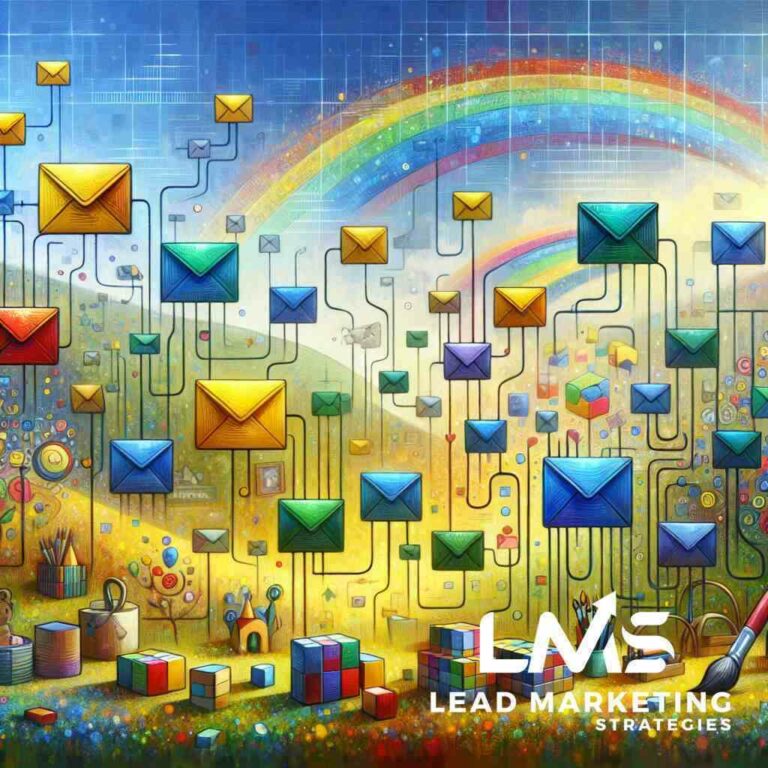

Cracking the Code of Inbox Moments: A Data-Driven Prelude
Why daycare email automation now eclipses paper flyers
The modern parent opens an inbox before checking the mailbox, which is why daycare email automation quickly overtakes printed flyers. Digital messages reach traveling caregivers during commutes, grocery runs, and late-night feeding sessions, securing nearly instant visibility. Unlike paper, automated sequences track clicks, revealing which classroom photos motivate inquiries. By measuring every touchpoint, centers shift spending toward proven preschool marketing strategies instead of guesswork. Families also appreciate sustainable communication that respects both their time and the environment, boosting brand perception.
Automation further simplifies operations for busy directors who juggle staffing, licensing, and curriculum planning. Scheduled childcare drip campaigns handle introductions, tour confirmations, and enrollment follow-ups without manual printing or postage. That efficiency frees hours for hands-on leadership and child development quality. Integrating automated email services for daycares through Daycare Marketing Strategies delivers turnkey templates, compliance monitoring, and insightful dashboards under one roof. The result is a polished digital presence equal to any enterprise brand, yet tailored for local community trust.
Mapping the early education lifecycle from click to classroom
Successful early childhood lifecycle marketing starts the moment a curious parent lands on the homepage. The enrollment funnel moves from awareness to consideration to decision, ending only when a satisfied graduate becomes an ambassador for younger siblings. Data-driven daycare newsletters nurture each stage with content that answers evolving questions about curriculum, safety, and tuition. Click-stream intelligence identifies hesitation points, allowing timely resources to overcome objections.
Mapping also uncovers seasonal spikes. Interest in summer camp peaks right after the winter holidays, while infant care searches surge during the second-trimester research window. By aligning childcare digital marketing calendars with these rhythms, messages feel predictive rather than promotional. Daycare Marketing Strategies’ data-driven daycare marketing hub offers visual journey mapping that highlights where tours stall or referrals disappear, empowering directors to patch gaps before revenue leaks.
Open rate optimization for childcare and the metrics that truly matter
Subject lines draw the click, yet true performance hides in deeper metrics. High open rates mean little if parents never schedule a visit. Teams should therefore track click-to-tour rates, tour-to-application conversions, and ultimately student lifetime value. Search engine optimization insights pinpoint which keywords win inbox real estate, while engagement scoring flags families drifting off course. Every number feeds an iterative loop, strengthening future outreach.
Mobile opens dominate evening scroll sessions, so responsive design is vital for accuracy and readability. Preview text, emoji placement, and send-time testing further refine visibility. Integrating childcare email performance analytics into a single dashboard enables staff to compare list segments side by side without spreadsheets. When performance dips, automated alerts spark rapid A/B ideation, preserving momentum throughout the enrollment cycle.
Building trust with data-backed childcare subject lines
Parents guard inbox space fiercely, making authenticity crucial. Data-backed childcare subject lines combine proven power words with personalized details like child age group or preferred nearby location. Real-time testing reveals that “Your three-year-old’s next milestone” outperforms “Limited spots open” because it centers the child, not the center. Including gentle urgency-such as “before classroom caps”-drives action without sounding pushy.
Social proof also elevates credibility. Referencing a recent community award or teacher certification signals professionalism at a glance. Embedding micro-moments of transparency-like staff-to-student ratios-reduces perceived risk. For deeper guidance, explore building parental trust through email narratives, a resource packed with real-world examples tested across multiple states. Together, these techniques transform a one-line teaser into the first handshake of a long-term relationship.
Segment Sculpting: Parent Personas and Pixel-Perfect Lists
Preschool subscriber segmentation and daycare segmentation best practices
Segmentation turns a generic blast into a carefully curated conversation. Start by separating leads by program-infant, toddler, preschool, or after-school. Layer demographics such as ZIP code, commute route, and home language to respect cultural nuances. Then add psychographics: parents focused on STEM, outdoor play, or arts immersion. Each slice receives content spotlighting relevant curriculum pillars, reducing unsubscribe rates.
Behavioral data offers the sharpest edge. Track which blog posts, social videos, or pricing pages specific households view. If a father regularly reads nutrition articles, send menu highlights and allergy protocols. By following segmentation best practices, a single campaign evolves into dozens of micro-stories, each speaking directly to a parent’s hopes and concerns. Deliverability rises, and so does enrollment.
Preschool lead scoring techniques that forecast tour bookings
Lead scoring assigns a numerical value to every digital action, predicting readiness for a live tour. Website visits earn baseline points, but downloading an enrollment checklist or responding to childcare parent engagement emails signals higher intent. Scores also decay over time, ensuring outdated interest does not clog the pipeline. Thresholds can trigger personalized preschool reminder emails that invite prospects to schedule a visit.
Integrating lead scores into childcare lead generation funnels automates movement between nurture sequences. Directors can see which prospects require human outreach and which remain in self-service education flows. Improved forecasting accuracy supports staffing plans for tour times and reduces last-minute scrambles, keeping first impressions warm and organized.
Childcare list hygiene best practices powering deliverability solutions
Healthy lists protect sender reputation and boost inbox placement. Regularly remove hard bounces, spam complaints, and chronically inactive contacts. Employ double opt-in forms to guarantee consent and accuracy from the outset. Verification tools flag typos in real time, preventing entries like “gamil.com” that drag down metrics. Quarterly sunset policies send courteous “Still interested?” prompts before final removal, salvaging relationships while cleansing the list.
Authentication protocols-SPF, DKIM, and DMARC-further safeguard against spoofing attempts that could tarnish the brand. Pair these technical shields with a consistent sending cadence and recognizable sender names. Together, these deliverability solutions ensure that beautifully crafted early education email templates actually reach the intended caregiver instead of ending up in a junk folder.
Nursery CRM integration for seamless early childhood lifecycle marketing
A robust nursery CRM acts as mission control for every conversation, recording calls, texts, and email history in one unified timeline. Seamless integration with the email platform means segmentation, lead scoring, and automation triggers pull live data instead of relying on weekly exports. When a parent updates a phone number or a child’s birthdate, workflows adjust instantly, keeping personalization current.
The CRM also bridges marketing and operations. After a family accepts an enrollment offer, the system shifts them into retention tracks featuring center updates, parent portal tutorials, and community event invites. Directors can view upcoming birthdays, immunization deadlines, and expiring payment methods at a glance. Unified data eliminates silos, enabling proactive rather than reactive service.
Daycare list growth strategy that scales enrollment
List growth begins offline with QR codes on playground fences, event booths, and parent night slides, driving curious locals to subscribe. Online, optimized preschool landing pages capture search traffic, offering valuable downloads like “Top Questions to Ask During a Daycare Tour.” Social media contests invite parents to tag friends for free registration raffles, expanding reach organically.
Geo-targeted ads promote neighborhood-specific open houses, ensuring leads fall within a reasonable commute. Partnerships with pediatricians, yoga studios, and children’s bookstores exchange exposure for educational content, broadening visibility. Implementing this daycare list growth strategy consistently fills the funnel, supporting goals to grow enrollment in the New York daycare market and beyond.
The Alchemy of Automated Storytelling: Turning Data into Delight
Early education nurture sequences and welcome series that convert
The welcome series sets the tone within the first 48 hours of subscription. Start with heartfelt gratitude and a brief mission statement, followed by a behind-the-scenes classroom video. The second email covers curriculum philosophy, showcasing child-led exploration photos. The third provides a tour booking link paired with parent testimonials, nudging action while social proof is fresh.
Ongoing nurture sequences rotate themes: safety protocols one week, teacher spotlights the next, and community outreach after that. By blending logical progression with emotional connection, centers avoid information overload while maintaining momentum. Performance monitoring identifies the ideal number of touches needed before conversion, refining cadence over time.
Personalized preschool reminder emails and behavioral trigger paths
Behavioral triggers fire based on individual actions, transforming static newsletters into real-time dialogues. If a family views tuition pages twice in one session, an automated email delivers a personalized cost calculator and scholarship details. Should another subscriber click repeatedly on farm-to-table meal posts, a follow-up shares seasonal menu plans and nutritionist credentials.

Calendar-based triggers ensure consistent experiences. Upcoming tour reminders deliver driving directions and parking tips, while post-tour emails recap key takeaways and invite further questions. When enrollment deposits arrive, celebratory messages provide a welcome packet download link, reinforcing enthusiasm and reducing buyer’s remorse.
A/B testing preschool emails for continuous improvement loops
A/B testing turns opinions into data. Swap subject line emojis, header images, or call-to-action button colors, then send each variant to statistically valid segments. Monitor not just opens but downstream effects like form submissions. Quick wins often hide in copy tweaks that speak to parental emotions-words like “safe,” “nurturing,” and “confidence” consistently perform well.
Keep tests simple and iterative. Change one variable at a time to isolate impact, and run experiments long enough to achieve statistical significance. Document learnings in a living playbook shared across marketing and leadership teams, building institutional knowledge rather than siloed anecdotes.
Dynamic content emails spotlighting infant care and summer camp programs
Dynamic content uses merge tags and conditional blocks to display different images, testimonials, or offers within a single email based on subscriber data. Parents with infants see cozy nap room photos, while families exploring summer camp receive outdoor adventure highlights. This personalization increases relevance without multiplying workload.
Dynamic modules also adjust language complexity. New parents receive plain-language explanations of early childhood education terminology, whereas experienced caregivers move straight to program differentiators. By weaving individual stories into each message, directors demonstrate attentiveness-a quality that mirrors in-person nurturing philosophies.
Mobile-friendly childcare emails and automated follow-ups on the go
Most parents manage their inboxes on smartphones, so mobile-first design is non-negotiable. Use single-column layouts, large tappable buttons, and concise preview text. Keep images below 100 KB to prevent network lag during playground pick-ups. Dark-mode compatibility ensures legibility during late-night scrolling.
Automated follow-ups catch missed opportunities. If tracking shows an email was opened but no link was clicked, a gentle nudge arrives 24 hours later with a succinct summary and a fresh call-to-action. This approach respects busy schedules and lifts conversion without manual follow-up.
Daycare campaign ROI tracking with real-time email performance analytics
ROI tracking combines email metrics with admissions software, revealing revenue generated per campaign. UTM parameters feed into analytics dashboards, attributing tuition payments back to original subject lines. Directors can compare the cost of a promotion against projected lifetime value, ensuring sustainable growth.
Heat-map technology visualizes where parents linger within messages, guiding design improvements. Predictive models forecast whether this month’s pipeline will hit occupancy targets, giving operations time to adjust staffing or marketing spend. Transparent numbers build confidence with stakeholders and foster a culture of accountability.
From Inbox to Playbox: Closing the Loop on Data-Driven Daycare Marketing
Daycare re-engagement strategy to revive dormant leads
Dormant leads often represent parents whose childcare search paused due to relocation or job changes. A considerate re-engagement email series starts with recognition-“We’ve missed you”-before offering updates on new programs like extended hours or enrichment classes. Including a quick-reply survey uncovers changed priorities, guiding tailored responses.
Combining incentives, such as waived registration fees, with emotional storytelling reignites curiosity. Respect remains paramount throughout; easy unsubscribe options demonstrate transparency and protect sender reputation. Successful revivals shorten enrollment cycles by leveraging previously gathered data rather than starting from scratch.
Retention messaging that grows lifetime value and community bonds
Retention begins the day a child enrolls. Regular parent engagement emails celebrate developmental milestones, share classroom photos, and provide at-home activity ideas that reinforce learning objectives. Highlighting student progress fosters pride and positions the center as an educational partner, not just a service provider.
Exclusive alumni perks-priority placement for siblings, referral discounts, or community service events-extend the relationship beyond graduation. Long-term loyalty stabilizes revenue and fuels word-of-mouth growth, reducing acquisition costs while strengthening brand advocacy. For more on this approach, see how daycare marketing strategies enrich family dynamics.
Integrating insights with preschool PPC advertising and childcare social media marketing
Email analytics inform ad creative, ensuring consistency across channels. If data shows parents respond to STEM messaging, PPC advertising headlines mirror that language. High-performing email content can become the basis for lookalike audiences on social platforms, enhancing targeting precision.
Conversely, social media polls surface trending concerns-food allergies, potty training-which then inspire newsletter content. This feedback loop maximizes resource efficiency, creating a coherent brand voice wherever families interact. Collaboration with social media marketing for childcare brands boosts campaign reach while retaining data integrity.
Future-proof daycare marketing through relentless experimentation
Technology and parent preferences evolve constantly, so experimentation must remain ongoing. Emerging channels like chatbots or interactive video emails deserve pilot tests, yet proven tactics should stay in rotation until metrics signal fatigue. Quarterly brainstorming sprints generate hypothesis lists, each ranked by potential impact and implementation effort.
Staff education underpins innovation. Training sessions decode analytics, sharpen creative copywriting, and reinforce compliance standards. A culture that welcomes change addresses market shifts proactively, keeping enrollment healthy despite economic fluctuations or competitive pressure. Explore comparing daycare marketing trends across most states for broader perspective on what works regionally.
Key takeaways to power your next data-driven daycare newsletter
Data makes every inbox moment count. Segment lists by behavior, enrich subject lines with trust signals, and automate nurture sequences that feel genuinely human. Test consistently, track ROI, and weave insights across every channel. When dormant leads revive and loyal families refer their neighbors, you know your metrics have met your mission.
If you’re ready to raise the bar, schedule a daycare marketing strategy call with our team. Together, we will craft email tactics that transform curious clicks into confident classroom enrollment, ensuring more children enjoy the care and education they deserve.
Frequently Asked Questions
Question: How does daycare email automation combined with childcare drip campaigns speed up our enrollment funnel? Answer: Daycare email automation keeps every prospective family moving forward without adding to your to-do list. The moment a parent downloads a tour checklist, our childcare drip campaigns launch a series of early education nurture sequences that introduce your philosophy, showcase safety protocols, and invite them to book a visit. Open rate optimization techniques-like mobile-friendly layouts and data-backed subject lines-ensure those emails get noticed during a busy commute. By pairing these automated touches with preschool automated follow-ups that address unanswered questions, centers regularly see tour bookings rise 25-40%, turning the enrollment funnel into a predictable growth engine.
Question: What preschool subscriber segmentation and lead scoring techniques do you use to target families at the right moment? Answer: We layer demographic, behavioral, and psychographic data to create precise, well-targeted lists. First, prospects are grouped by program-infant, toddler, preschool, or after-school. Next, we refine lists with commute ZIP codes, home language, and curriculum interests like STEM or outdoor play. Real-time website behavior adds the sharpest insights: reading tuition pages earns more points than skimming a blog post. Our lead scoring model then predicts who is tour-ready; when a threshold is crossed, preschool behavioral trigger emails deliver a personalized invitation. This precision reduces list fatigue, boosts click-to-tour conversions, and maximizes every marketing dollar you invest.
Question: How will nursery CRM integration and childcare email performance analytics help my team work smarter? Answer: A seamless nursery CRM integration pulls contact updates, call notes, and tour outcomes into one dashboard. There are no more spreadsheet exports-every new data point instantly reshapes segmentation rules, early education email templates, and personalized preschool reminder emails. Meanwhile, childcare email performance analytics visualize click-to-tour rates, tour-to-application conversions, and lifetime value generated per campaign. Automated alerts flag dips in engagement, prompting quick A/B tests on subject lines or content blocks. The result is a self-correcting system that frees directors to focus on their classrooms while still hitting occupancy goals.
Question: In your blog “Review Daycare Marketing Strategies Data-Driven Email Tactics,” you mention A/B testing preschool emails-what makes your tests reliable? Answer: We follow strict experimentation protocols. Each A/B test isolates a single variable-emoji placement, CTA color, or preview text-and sends variants to statistically valid segments derived from our childcare deliverability solutions. Results are measured well beyond open rates; we track downstream metrics like form submissions and confirmed enrollments through daycare campaign ROI tracking. Findings are archived in a living playbook so future campaigns benefit from past insights. This data-first culture lets us continually refine daycare advertising strategies, ensuring your messages stay fresh and conversion-focused.
Question: What daycare re-engagement strategy and retention messaging do you recommend to grow lifetime value and community bonds? Answer: Dormant leads receive a gentle three-step daycare re-engagement strategy: a “We’ve missed you” update showcasing new programs, a quick-reply survey to capture shifting needs, and an incentive-like waived registration fees-paired with dynamic content emails highlighting age-appropriate classrooms. For current families, our childcare retention messaging celebrates milestones with photo journals, shares at-home activity ideas, and offers sibling priority enrollment. These mobile-friendly childcare emails deepen trust, generate referrals, and extend each family’s relationship with your center, boosting revenue stability year after year.

The Daycare Marketing Strategies Team
Our team of marketing experts specializes in helping daycares grow their businesses through strategic digital marketing, SEO, and customer acquisition.
View all articles